


DeeVid AI Review: A Deep Dive into Its Strengths and Limitations for Professional Video
Article Summary: A comprehensive evaluation of DeeVid AI's video creation capabilities, based on hands-on testing. This review analyzes its performance, features, and limitations, assessing its suitability for professionals and comparing it to more robust alternatives for achieving high-quality cinematic visuals.
In the rapidly evolving landscape of digital media, the promise of composing cinematic-level videos without a film crew or complex software is incredibly compelling. For brands, marketers, and independent creators, this technology represents a new frontier for storytelling. This article provides an in-depth DeeVid AI Review, moving beyond marketing claims to deliver a hands-on analysis of its capabilities.
This piece is designed for professionals seeking to understand if DeeVid AI can be a reliable tool in their creative workflow. We will dissect its core features, analyze its performance through practical tests, and provide a clear verdict on its value proposition. By the end, you will have a comprehensive understanding of where this platform excels and where it falls short for producing high-fidelity visual content.
An Overview of DeeVid AI's Core Framework
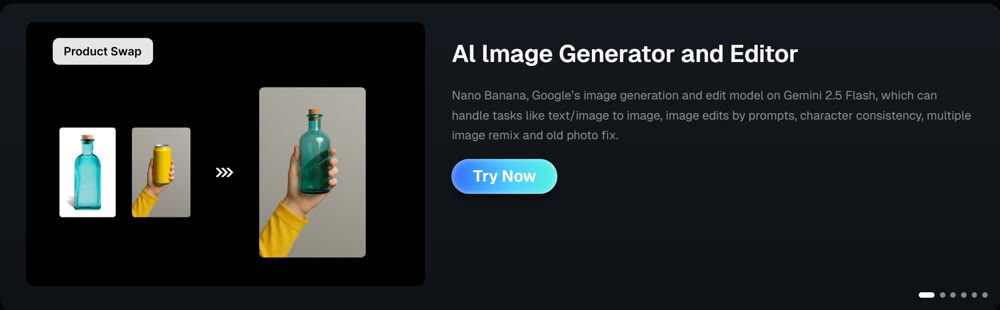
DeeVid AI positions itself as a versatile platform for video creation, built around a multimodal framework. Our initial exploration revealed several key components that form the foundation of its user experience.
Multimodal Input and AI Models
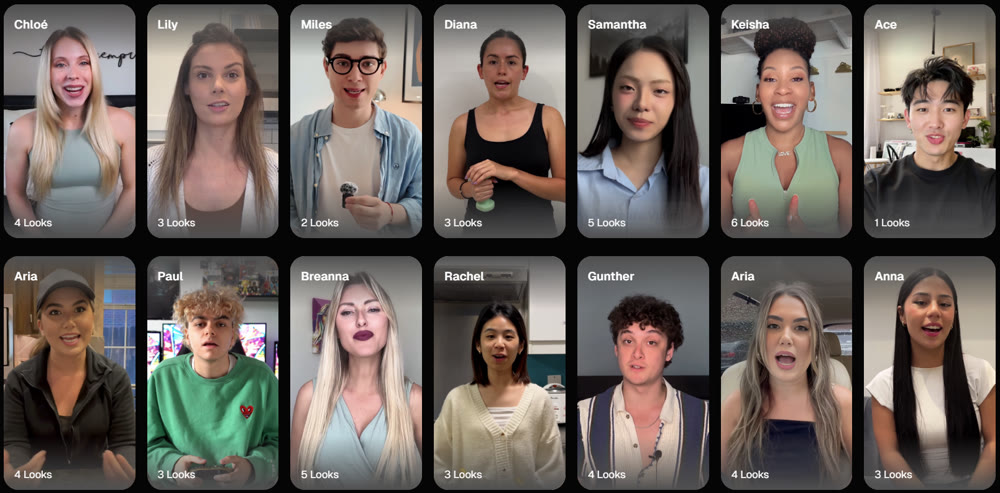
The platform supports a variety of creative starting points, including text-to-video synthesis, image-to-video animation, and video-to-video restyling. This flexibility allows users to work from a script, a static image, or an existing video clip. It offers distinct proprietary AI models: Fast V2.0 for quick iterations and Quality V2.0 for higher-resolution outputs. The most notable is the Master V2.0 model, which introduces audio and lip-sync functionalities, aiming to produce complete scenes with dialogue directly from a prompt.
AI Director and Creative Suite
For users facing a creative block, the ‘AI Director’ feature assists with script and storyboard development. This tool aims to streamline the pre-production process by suggesting narrative elements. Additionally, DeeVid AI includes a library of effects, transitions, and templates, allowing for further customization and stylistic adjustments. The platform’s public community feed also serves as a source of inspiration, showcasing work from other users.
Putting DeeVid AI to the Test: A Performance Analysis
A platform's true value is measured by its output quality. To assess this, we conducted two tests with varying levels of complexity, focusing on realism, coherence, and fidelity.
Test 1: Character-Based Commercial Scene
Our first prompt was a standard commercial scenario: a male model on a beach promoting a surfboard sale, complete with dialogue.
- Prompt: “A sunny beach with gentle waves. A stylish male model in a trendy swimsuit stands by surfboards with "SALE" signs. He smiles and speaks: 'Hey, beach lovers! Ready to ride the waves in style? Our top-rated surfboards are on sale now, limited time only!' He then picks up a board and walks toward the ocean.”
The resulting video successfully followed the prompt's narrative and scene composition. The character's body movements were relatively natural, and the AI-driven voiceover was clear and engaging. However, the output exhibited a glossy, unnaturally flawless visual quality—a common telltale sign of AI-made content, which somewhat detracted from overall realism. There were also minor but noticeable visual distortions in the background, particularly around the interaction of elements with the environment. While the overall execution was coherent, these subtle imperfections prevented it from achieving a truly lifelike appearance.
Test 2: Complex Underwater Environment
For our second test, we submitted a more demanding request to evaluate how the platform handles complex scenes with multiple subjects and environmental effects.
- Prompt: “A realistic underwater video of three divers in full scuba gear swimming near a massive, majestic shark in the deep blue sea. The shark opens its mouth. Sunlight filters through the water from above.”
The outcome here was significantly less impressive. The scene lacked the photorealism we anticipated, instead appearing more like a 3D video game render. The divers' movements were stiff and unnatural, and we observed clear render artifacts and spatial distortions around their hands and feet. The overall visual integrity was unpredictable. Our hands-on DeeVid AI experience showed that as prompt complexity increases, the consistency and quality of the output decrease, making it less reliable for intricate or imaginative requests.
📌 Best Practices: Our Final Verdict
After extensive testing, our opinion on DeeVid AI is mixed. It presents a dichotomy of promising features and practical limitations.
Strengths: The platform's greatest assets are its user-friendly interface and diverse input options. For simple, straightforward concepts, its prompt adherence is commendable. The automated features, particularly the inclusion of audio and lip-syncing in a single step, save significant time compared to manual workflows.
Weaknesses: The free plan is highly restrictive, making a thorough evaluation difficult without a paid subscription. The pricing itself is steep for the level of quality delivered. The most critical issue is the unpredictable performance and the persistent lack of true photorealism, which makes the content easily identifiable as AI-composed. Furthermore, the limited customization tools offer little recourse for refining imperfect outputs.
Exploring a Professional-Grade Alternative: Genmi AI
While DeeVid AI shows potential, professionals often require greater consistency, higher fidelity, and more robust tools. This is where platforms like Genmi AI distinguish themselves by offering a more comprehensive and powerful creative ecosystem.
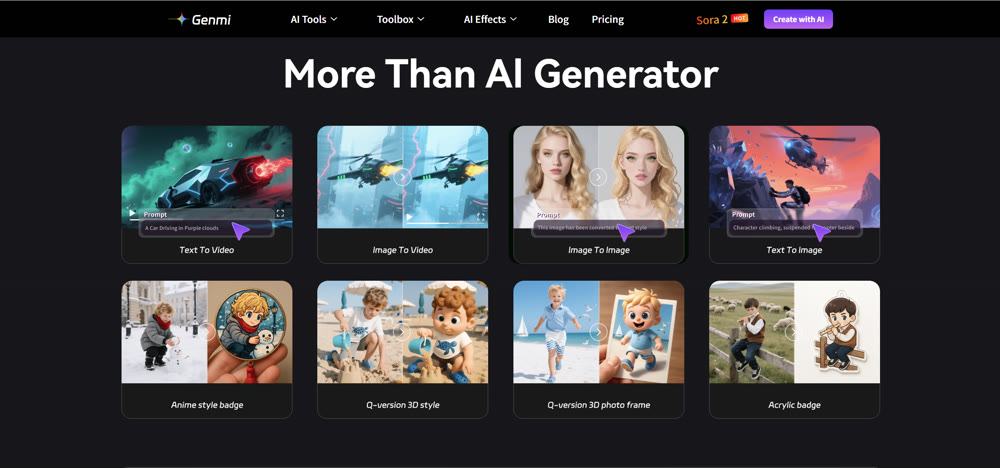
Genmi AI provides a superior suite of tools designed for crafting high-fidelity cinematic visuals. Its core strength lies in granting users access to a curated selection of world-class AI models, including Veo 3, Kling AI, and Runway. This multi-model approach ensures that you can select the best engine for your specific creative vision, whether you need to achieve photorealism, anime styles, or 3D animation. The platform’s capabilities for text-to-video composition are particularly advanced, allowing for the development of dynamic and coherent scenes directly from a script.
Moreover, you can breathe life into static concepts with its powerful image-to-video functions. By leveraging this diverse technological foundation, Genmi AI empowers creators to produce stunning content that stands out. The creative process is further enhanced by its integrated text-to-image and image-to-image workflows, which allow for rapid ideation and refinement of visual elements before the final video is composed. This makes it an all-in-one solution for a professional pipeline.
Conclusion
This DeeVid AI review demonstrates that while the tool offers an accessible entry point into AI video creation, it currently falls short of meeting professional standards. Its user-friendly design is offset by unpredictable quality, noticeable visual artifacts, and a price point that may not be justified by the final results. For creators whose projects demand consistency, realism, and a higher degree of polish, exploring more advanced solutions is a necessary step.
Ultimately, the ability to produce truly compelling visual narratives depends on having access to powerful, reliable, and flexible tools. Platforms built on a foundation of multiple best-in-class AI models, like the one offered by Genmi AI, provide the control and quality needed to elevate creative projects from simple clips to genuinely impressive cinematic experiences.
Step Up Your Creative Production
Ready to move beyond the limitations and unlock your full creative potential? Empower your storytelling with a platform designed for professional-grade results. Explore the advanced capabilities of Genmi AI to see how access to superior AI models can transform your concepts into captivating visual realities.
---🎨 AI Image Powerhouse: Looking for the fastest way to generate AI art? Read our Getimg AI review to see how it handles massive creative tasks with ease.
Recommended Articles

Beyond YPP: The Ultimate Guide to Monetizing AIGC on YouTube Shorts
Learn to monetize your AIGC YouTube Shorts beyond low YPP revenue. Our guide covers brand deals, affiliate marketing, and pricing for AI creators. Start now!

From Stagnation to Sensation: How AIGC-Powered Retrospection Revives YouTube Shorts
Break through stagnation on YouTube Shorts with a data-driven, AIGC-powered retrospection workflow. Analyze key metrics, refine content strategy.

Best AI Video Generation Models: A 2025 Professional Comparison
Explore our in-depth comparison of the best AI video generation models like Runway, Pika, and Sora. Find the perfect tool for your creative or business needs.